Nike almost didn’t survive.
At one point, the company was drowning in debt.
Banks didn’t trust it.
Cash was constantly running out.
One wrong move — and it would have disappeared.
Today, that same company is worth over $150 billion.
This is the real story of how Nike was built.
It Started With Almost Nothing
Phil Knight didn’t look like a future billionaire.
No powerful connections.
No big investors.
No clear path.
Just an idea.
In the 1960s, the sneaker market was dominated by giants like Adidas.
Competing with them seemed impossible.
But Knight believed something different.
He thought Japanese running shoes could match the quality — at a much lower price.
Most people would have ignored that idea.
He didn’t.
He got on a plane, flew to Japan, and convinced a manufacturer to trust him.
Then he went back to the U.S. and started selling.
From the trunk of his car.
Track meet after track meet.
Conversation after conversation.
No brand.
No reputation.
Just belief.
The First Real Breakthrough
Phil Knight wasn’t alone.
His former coach, Bill Bowerman, became a key partner.
Bowerman was obsessed with performance.
He didn’t just want to sell shoes.
He wanted to improve them.
One day, in his kitchen, he tried something strange.
He poured rubber into a waffle iron.
It sounds ridiculous.
But that experiment changed everything.
The new sole design gave runners better grip, lighter weight, and a real advantage.
That small idea became one of Nike’s first breakthroughs.
The Company Almost Collapsed
From the outside, success stories look smooth.
Nike wasn’t.
Growth created pressure.
More orders meant more risk.
More inventory.
More money needed upfront.
Cash flow became a constant problem.
Money came in — and went out just as fast.
Banks didn’t believe in the business.
At one point, the entire company was on the edge of collapse.
Phil Knight later admitted it always felt like they were one step away from failure.
That’s the part most people never see.
The Name That Changed Everything
At first, the company wasn’t even called Nike.
It was Blue Ribbon Sports.
Functional, but forgettable.
Then they made a change.
A new name.
Nike.
Short.
Sharp.
Powerful.
And then came the logo.
The famous Swoosh was designed by a student for just $35.
No one expected it to become one of the most recognizable symbols in the world.
But it did.
The Risk That Made Nike Explode
Then came the decision that changed everything.
Michael Jordan.
At the time, it was a risky bet.
He wasn’t yet a global icon.
But Nike saw something others didn’t.
They built an entire line around him.
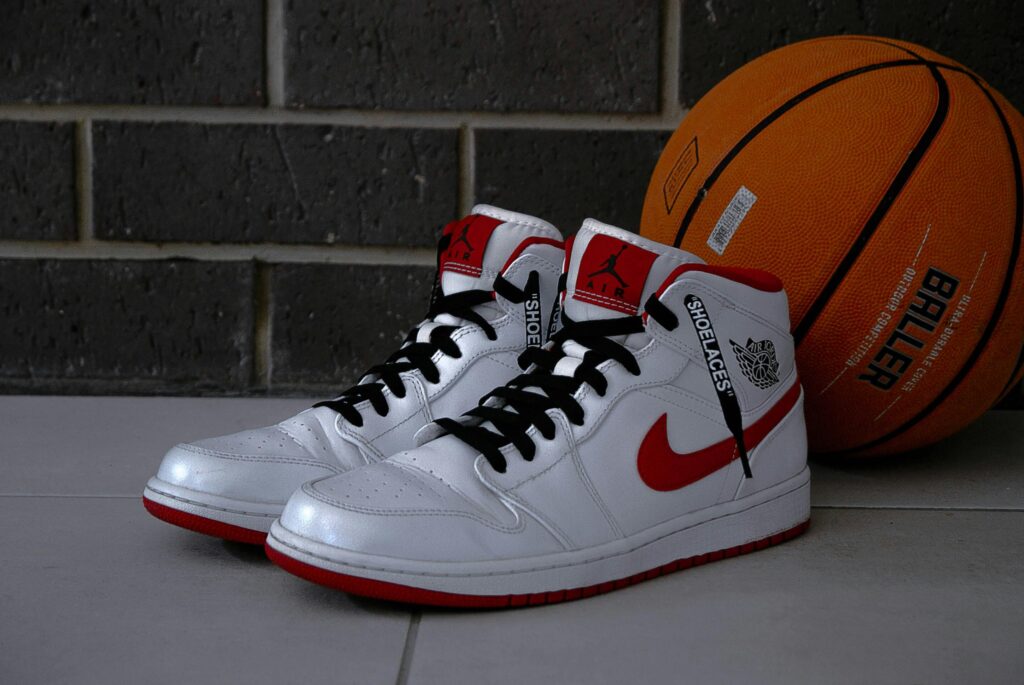
Air Jordan.
It wasn’t just a shoe.
It became culture.
People weren’t just buying sneakers anymore.
They were buying identity.
That single move generated billions — and pushed Nike into a completely different league.
What Made Nike Different
Many companies sell products.
Very few build belief.
Nike built belief.
It sold the idea that you could go further.
Push harder.
Become more.
Its products mattered.
But its message mattered more.
That’s what turned it into a global brand.
The Real Lesson
Nike didn’t start as a giant.
It started with uncertainty.
With risk.
With pressure.
With moments where quitting would have been easier.
Most people would have stopped.
Phil Knight didn’t.
And that’s the difference.
Final Thought
A car trunk.
A risky idea.
A kitchen experiment.
A $35 logo.
A bet on one athlete.
That’s how a $150 billion company was built.
Not from certainty.
From persistence.